 Live Chat
 +1-510-730-3095
Most apps fail because of poor user experience, not bad ideas. Learn how strategic UI and UX design drives retention, trust, and long-term app growth.
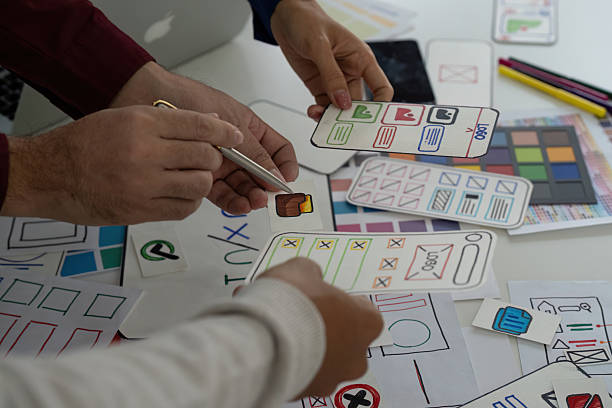
Most mobile apps fail not because the idea is weak but because the experience is poor. Users delete apps that confuse them, frustrate them, or waste their time. In today’s competitive market, design is not optional. It decides whether users stay, engage, and convert or leave within minutes.
When businesses invest in Mobile Ui & Ux Design Services in USA, they are not just hiring designers but investing in user behavior, psychology, and long term growth. The American market is highly competitive, and users expect smooth, fast, and intuitive experiences. If your app does not feel simple within the first few seconds, users will not give it a second chance. Professional UI and UX services focus on user journeys, screen flow, readability, visual clarity, and emotional triggers that guide people naturally. Every tap, scroll, and swipe is designed with purpose. Strong UI builds trust at first glance, while strong UX ensures users achieve their goals without friction. Businesses that ignore this reality often see high uninstall rates, poor reviews, and low engagement. In contrast, companies that prioritize structured design frameworks experience better retention and stronger brand recall. In the USA market especially, user expectations are shaped by top tier apps, which means average design is no longer acceptable. Success begins when design decisions are made strategically instead of randomly.
Launching an app feels exciting, but the real challenge begins after release. Many apps lose over half of their users within the first month. Why does this happen? The answer is simple confusion and frustration. If onboarding is unclear, users feel lost. If loading speed feels slow, they assume the app is unreliable. If navigation is complex, they stop trying. Today’s users have unlimited alternatives available in seconds. They compare experiences instantly. When an app fails to guide users clearly, it creates doubt. Doubt leads to disengagement, and disengagement leads to deletion. Businesses often blame marketing or competition, but the real issue usually lies in user experience. A poorly structured interface can silently damage growth. Even strong features cannot compensate for weak usability. The first 30 days decide whether your app becomes part of someone’s routine or disappears from their phone forever.
Many companies still think UI is about colors and fonts. That mindset leads to failure. User experience is a structured process that maps how users think, behave, and interact. It studies their goals, frustrations, and expectations. When UX is treated as a strategic investment, it improves conversion rates and reduces support costs. Clear layouts reduce confusion. Logical navigation reduces drop offs. Smart interaction patterns increase engagement. Good design makes users feel confident. When users feel confident, they explore more features. When they explore more features, revenue opportunities grow naturally. Businesses that treat UX as decoration miss these deeper benefits. In competitive markets like the USA, strategic design thinking separates market leaders from forgotten apps. A clean interface is just the surface, real UX design solves problems before users even notice them.
Users form opinions within seconds of opening an app. The layout, spacing, typography, and responsiveness create an immediate emotional reaction. Micro interactions like button animations, smooth transitions, and instant feedback build subconscious trust. These small details may seem minor, but they shape how users feel about your brand. If an action feels smooth, users perceive the app as reliable. If it feels delayed or inconsistent, trust drops. Emotional triggers also matter deeply. Clear calls to action reduce hesitation. Balanced visual hierarchy guides attention. Consistent design patterns create familiarity. Familiarity reduces cognitive load. When users do not have to think too much, they stay longer. Strong UI and UX design builds this invisible comfort layer. Without it, even the most advanced features feel overwhelming. In competitive markets, emotions decide loyalty more than functionality alone.
Navigation is the backbone of every app. When users cannot find what they need within seconds, frustration begins. Confusing menu structures, hidden features, and unclear labels make users feel lost. Each extra tap required to complete a task increases drop off risk. A well designed app anticipates user behavior and reduces effort. Smart flow mapping ensures that users move smoothly from one screen to another. Clear buttons guide action without confusion. Logical placement of features supports natural interaction. Businesses that ignore flow testing often see high bounce rates. Users do not complain, they simply leave. Growth slows quietly. Retention decreases gradually. Reviews become negative. Strong UI and UX services test navigation repeatedly before launch. They eliminate friction before users experience it. That preparation makes the difference between growth and stagnation.
Design decisions should not rely on guesswork. Professional UI and UX teams use research, behavior tracking, and user feedback to improve performance. Data reveals where users drop off, which screens create confusion, and which flows drive conversions. Heatmaps, session recordings, and A B testing help refine experiences. When design changes are based on evidence, results become measurable. Improved retention increases lifetime value. Clearer onboarding increases activation rates. Streamlined checkout flows boost revenue. Better visual hierarchy improves engagement time. Every small improvement compounds over time. Businesses that invest in data driven design see stronger ROI compared to those who design based on trends alone. In a competitive market, even minor friction can impact revenue significantly. Smart design backed by data turns an app into a growth engine rather than just a digital product.
Design communicates credibility before users read a single word. Clean layouts signal professionalism. Consistent branding builds recognition. Secure and predictable interactions build trust. In the USA market, users expect polished experiences that match industry leaders. If an app looks outdated or inconsistent, users question its reliability. Strong UI and UX builds brand identity across screens. It ensures fonts, colors, icons, and layouts reflect a unified message. This consistency increases memorability. It also supports marketing campaigns by reinforcing visual identity. Over time, users associate smooth experiences with brand reliability. That trust becomes a competitive advantage. While competitors struggle with churn, well designed apps build loyalty. Loyal users generate referrals and positive reviews. In digital markets, reputation spreads quickly. Professional design becomes a silent ambassador for your brand.
Some startups believe they can delay professional design to save budget. Enterprises sometimes assume their brand strength alone will carry them. Both approaches are risky. Startups need strong UI and UX to build credibility quickly. First impressions can decide investor confidence and user trust. Enterprises need structured design to manage scale. As features grow, complexity increases. Without professional planning, apps become cluttered. Dedicated UI and UX teams ensure scalability. They maintain consistency across updates. They conduct testing before rollouts. They reduce costly redesigns later. Investing early prevents expensive corrections in the future. Professional design services provide structure, research, and validation. Whether you are launching your first product or improving an existing one, structured UI and UX prevents silent growth barriers. Smart companies treat design as infrastructure, not an optional add on.
The mobile app market is crowded, competitive, and unforgiving. Survival depends on experience quality more than idea originality. Businesses that invest in professional design early build stronger foundations. Structured UI and UX planning reduces user friction. Clear navigation improves engagement. Emotional triggers increase loyalty. Data driven improvements drive revenue growth. In competitive environments like the USA, expert design services create long term impact. Companies that combine technical development with strategic design outperform competitors consistently. That is why partnering with the right technology experts matters. When design and development work together seamlessly, results become measurable. Businesses aiming for sustainable growth should collaborate with a Custom Software Development agency in USA that understands both performance and experience. Success is not accidental, it is designed intentionally from the first screen to the final interaction.
Get in-depth information of different aspects and information of modern tech.

Every business today is moving towards digital growth. Brands need more than web...
Learn More

In today’s digital age, customer retention is vital. Businesses spend huge amo...
Learn More
How expert UI & UX designers craft user-centered digital experiences that improv...
Learn More


